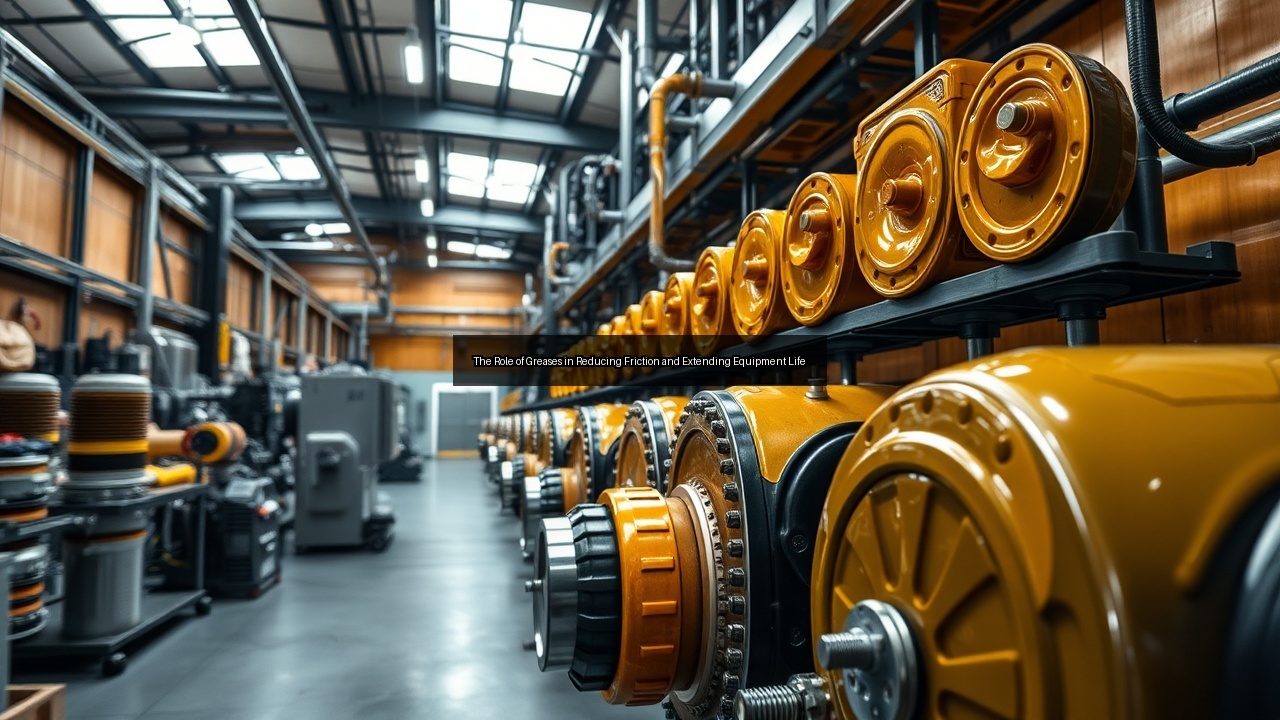
The Role of Greases in Reducing Friction and Extending Equipment Life
Understanding Greases and Their Composition
What Are Greases?
Greases serve as essential semi-solid lubricants that protect machinery from excessive wear during operation. They combine oil with thickeners to stay in place where liquid options fail. Engineers rely on greases to maintain smooth performance in bearings and other moving parts under varying loads. This lubricating grease forms a protective barrier that handles pressure and contaminants effectively. In manufacturing settings, greases extend service intervals and reduce downtime. Users apply them to axles, joints, and seals where consistent coverage matters most. Proper selection of greases prevents metal-to-metal contact that leads to premature failure. Greases also excel in applications involving oscillating or vibrating motion, where oils might migrate away from critical contact zones, ensuring long-term reliability in everything from conveyor systems to robotic arms.
Components of Greases: Base Oil and Thickeners
Base oil forms the primary fluid element in greases, providing the lubrication film that separates surfaces. Thickeners give the mixture its structure and determine how it behaves under heat or shear. Common formulations blend mineral or synthetic base oil with specific thickener types to match equipment demands. The interaction between these components affects viscosity, water resistance, and stability. Manufacturers adjust ratios to create greases suited for high-speed or high-load conditions. This engineering approach ensures the lubricant stays effective across temperature ranges without breaking down quickly. Base oils typically constitute 70 to 90 percent of the grease by weight, while thickeners account for 5 to 20 percent, with the balance consisting of performance-enhancing additives that fine-tune oxidation resistance and load-carrying capacity.
Types of Thickeners: Calcium, Lithium, and Sulfonate
Calcium thickeners deliver solid water resistance for wet environments common in construction and agriculture. Lithium thickeners offer excellent mechanical stability and perform well in automotive applications like wheel bearings. Sulfonate thickeners provide superior corrosion protection and high-temperature performance in demanding mining operations. Each thickener type influences how greases respond to pressure and chemical exposure. Silica additives sometimes enhance these properties further for specialized needs. Selecting the right thickener ensures greases maintain their consistency and protective qualities over extended periods. Complex versions of these thickeners, such as lithium complex or calcium sulfonate complex, further improve dropping points and mechanical stability, allowing operation in environments exceeding 150 degrees Celsius or under continuous shear forces.
Role of Additives in Grease Performance
Additives play a critical role in elevating grease capabilities beyond the base oil and thickener alone. Antioxidants prevent oxidative degradation during prolonged exposure to air and heat, while extreme pressure agents form protective layers on metal surfaces under heavy loads. Anti-wear compounds reduce surface fatigue in high-contact applications, and rust inhibitors safeguard components during idle periods or in humid conditions. These additives are carefully balanced during formulation to avoid interactions that could compromise grease structure or performance over time.
The Importance of Greases in Machinery
How Greases Reduce Friction
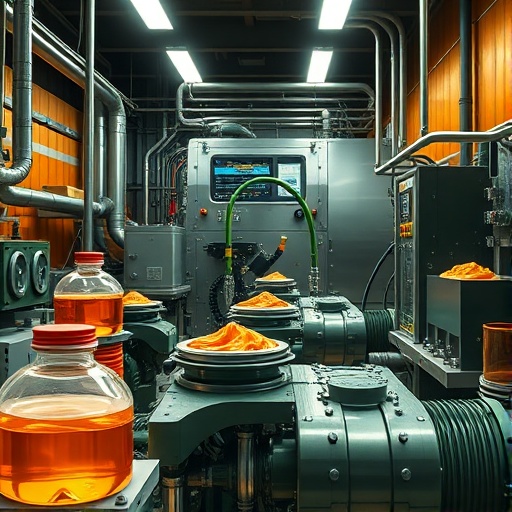
Greases reduce friction by creating a durable film between contacting surfaces in machinery. This action minimizes heat generation and prevents scoring on bearings and gears. Lubricants grease components stay in position longer than oils, delivering continuous protection during start-stop cycles. The thickener matrix releases base oil gradually under load, maintaining effective lubrication. In high-pressure zones, greases resist displacement and keep friction coefficients low. Regular application of quality greases lowers energy consumption while protecting critical parts from abrasive wear. The controlled release mechanism also helps dampen vibrations, extending the operational life of precision components in turbines and electric motors.
The Role of Viscosity in Lubrication
Viscosity determines how greases flow and form protective layers under different operating speeds. Higher viscosity greases suit slow-moving, heavy-load applications where film strength must withstand extreme pressure. Lower viscosity versions work better in high-speed bearings that require quick distribution. Lubricants adjust their effective viscosity with temperature changes, ensuring consistent performance. Proper viscosity selection prevents both starvation and excessive drag in equipment. This balance directly impacts how well greases deliver reliable lubrication across varying conditions. Temperature-viscosity relationships are often plotted on charts to guide selection, helping engineers predict film thickness at operating temperatures ranging from subzero to over 200 degrees Celsius.
Comparing Greases and Oils in Equipment Maintenance
Greases stay put in vertical or inverted applications where oils would drain away rapidly. They seal out contaminants like dust and water better than fluid lubricants in many cases. Oils circulate easily for cooling but require more frequent replenishment in open systems. Lubricating greases simplify maintenance in hard-to-reach machinery locations by reducing leakage risks. Many operators combine both products strategically, using greases for sealed bearings and oils for gearboxes. This complementary approach optimizes overall equipment reliability and service life. In sealed-for-life designs, greases eliminate the need for ongoing oil changes, cutting labor costs while minimizing environmental disposal concerns associated with used oils.
Applications of Greases Across Industries
Greases in the Automotive Industry
Automotive industry professionals use greases extensively on chassis points, wheel bearings, and constant velocity joints. Axle grease protects drivetrain components from road contaminants and moisture. Synthetic grease formulations handle the elevated temperatures found in modern engines and transmissions. Motor oil works alongside greases in some assemblies, but greases provide the stay-in-place advantage at suspension and steering linkages. Regular greasing prevents corrosion and maintains smooth operation in cars and trucks. Quality products extend component life while reducing noise and vibration. Electric vehicle applications increasingly demand specialized low-friction greases compatible with plastic components and high-speed motors.
Greases in Construction and Mining
Construction and mining equipment operates under heavy loads and abrasive conditions that demand robust greases. Lithium and sulfonate thickeners resist water washout from rain or washdowns common on job sites. These greases protect pins, bushings, and bearings in excavators and haul trucks from premature wear. High-pressure applications require formulations that maintain film strength without softening excessively. Consistent use of appropriate greases cuts repair costs and keeps machinery productive in harsh environments. Multi-purpose greases with molybdenum disulfide additives are particularly valued for their ability to handle shock loading in dozers and loaders operating around the clock.
Agricultural Applications of Lubricating Greases
Agriculture relies on lubricating greases for tractors, harvesters, and irrigation systems exposed to dirt, moisture, and chemicals. Calcium-based greases excel in these wet conditions by repelling water and preventing rust on exposed metal surfaces. Farmers apply greases to pivot points and gearboxes to ensure reliable operation during peak seasons. Proper lubrication reduces downtime that can affect harvest schedules. Synthetic options provide extended intervals that fit busy agricultural workflows while protecting investment in expensive equipment. Biodegradable formulations are gaining favor to minimize soil contamination risks near crops and waterways.
Choosing the Right Grease for Your Needs
Understanding NLGI Grades
NLGI grades classify greases by consistency, ranging from fluid-like #000 to stiff #6 blocks. NLGI grades 1 and 2 cover most general machinery needs in automotive and industrial settings. Lower numbers suit centralized lubrication systems that pump greases through long lines. Higher grades provide better sealing in high-vibration environments. Matching the correct NLGI grade prevents over- or under-lubrication that shortens equipment life. Operators consult manufacturer specifications to select grades that match speed, load, and temperature requirements. Grade 2 remains the most versatile choice for manual greasing guns across diverse equipment fleets.
Selecting Greases for Different Environments
Environments dictate grease performance through factors like temperature extremes, chemical exposure, and contamination risks. High-humidity areas benefit from greases with strong water resistance and corrosion inhibitors. Dusty manufacturing plants require products that form effective seals against abrasive particles. Extreme pressure additives help greases handle shock loads in mining and construction. Matching thickener and base oil types to these conditions ensures sustained protection without frequent reapplication. Food-grade greases with NSF H1 approval are essential in processing plants to prevent incidental product contamination.
Synthetic vs. Mineral Greases: Pros and Cons
Synthetic greases deliver superior thermal stability and longer service life in high-temperature applications compared to mineral versions. They resist oxidation and maintain viscosity across wider temperature ranges, though at higher initial cost. Mineral greases provide adequate performance for moderate conditions at lower expense and remain widely available. Synthetic grease excels in energy-efficient operations where reduced friction translates to measurable savings. Users weigh operating demands against budget when choosing between these lubricant categories for specific machinery. In arctic conditions, synthetics maintain pumpability at temperatures where mineral greases solidify.
Maximizing Equipment Life with Effective Greasing
Best Practices for Greasing Machinery
Best practices include cleaning fittings before application to avoid injecting contaminants into bearings. Technicians apply greases in measured amounts to prevent overpacking that generates heat and causes seal damage. Following manufacturer intervals ensures consistent lubrication without waste. Monitoring grease condition through sampling helps identify early signs of degradation. Proper storage protects greases from moisture and temperature swings that alter their properties. These steps maximize the benefits of lubrication across all equipment types. Color-coded grease guns and dedicated fittings further reduce the risk of cross-contamination between incompatible formulations.
The Impact of Grease Quality on Equipment Longevity
High-quality greases maintain their structure under prolonged stress, protecting bearings and other components from accelerated wear. Inferior products break down faster, leading to increased friction and unplanned outages. Premium formulations with balanced thickeners and additives deliver better water resistance and chemical stability. Investing in superior greases reduces replacement frequency for critical parts in manufacturing and energy sectors. Consistent performance directly correlates with extended machinery uptime and lower overall maintenance expenses. Lifecycle cost analyses often reveal that premium greases deliver the lowest total cost despite higher upfront pricing.
Future Trends in Grease Technology
Future trends focus on advanced synthetic base oils and nano-additives that further reduce friction in demanding applications. Biodegradable greases gain traction in agriculture and marine environments to meet stricter regulations. Smart lubrication systems integrate sensors to monitor grease condition and automate replenishment. Improved thickener technologies enhance performance in extreme pressure and temperature scenarios. These developments continue to advance how greases support equipment reliability across industries. Research into graphene-enhanced formulations promises even greater load-carrying capacity and thermal conductivity in next-generation products.