Exploring the Future of Metal Pipe Fabrication in Sustainable Projects
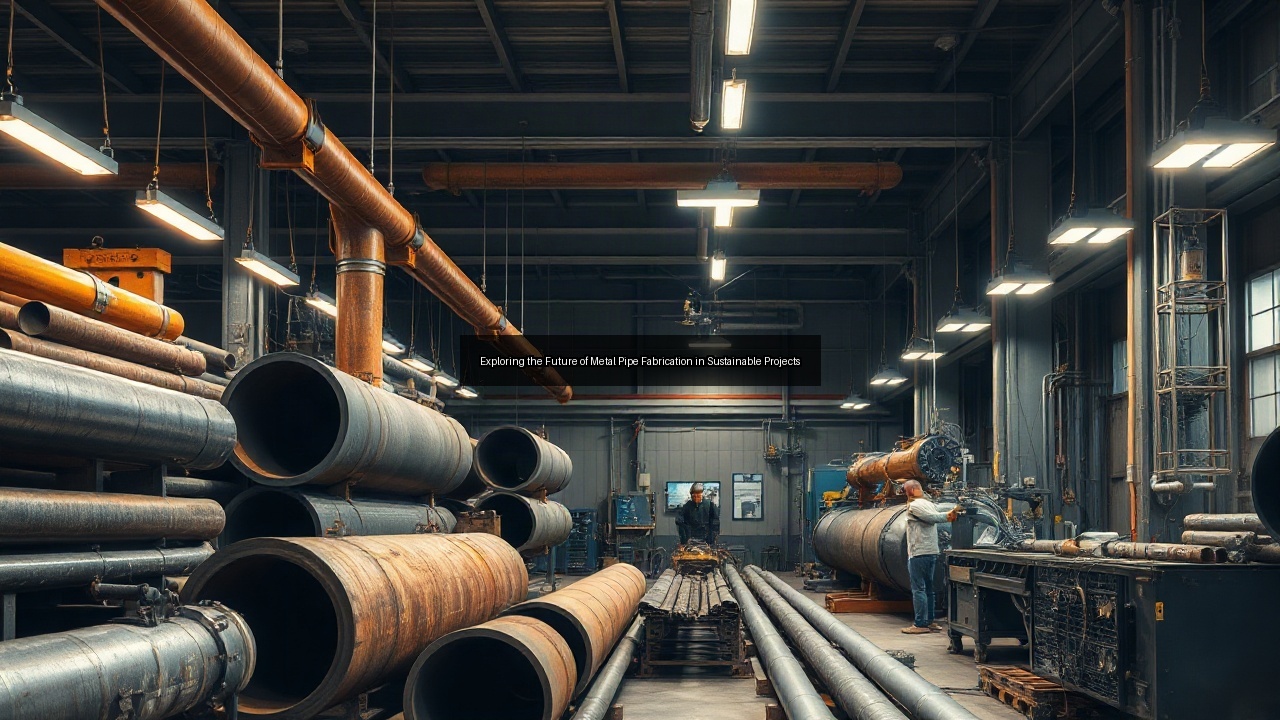
The Evolution of Metal Pipe Fabrication
Historical Overview of Pipe Fabrication Techniques
Metal pipe fabrication has a rich history, tracing back thousands of years. Ancient civilizations utilized rudimentary techniques to create piping systems for water transport and irrigation. The Egyptians, for instance, employed copper and bronze to craft early pipes. As industrialization took hold in the 19th century, advancements in manufacturing ushered in new methods for producing steel pipes. This period marked a significant shift from manual techniques to mechanized processes, enabling increased production capacity and consistency. The introduction of the Bessemer process in the mid-1800s revolutionized steel manufacturing, allowing for the mass production of high-quality steel. The ability to fabricate pipes in various dimensions and strengths laid the foundation for modern construction and infrastructure projects. Over the decades, techniques evolved further with the advent of welding, which became a crucial element in pipe fabrication, enhancing the structural integrity of piping systems.
Advancements in Steel Pipe Production
Steel pipe production has witnessed remarkable advancements, particularly in manufacturing efficiency and technology. Modern pipe fabrication companies now utilize computer numerical control (CNC) machines to achieve precise cuts and dimensions. This technology ensures uniformity and reduces human error, ultimately enhancing the quality of the final product. Additionally, advancements in metallurgy have led to the development of specialized steel grades, such as high-strength low-alloy (HSLA) steel, which improves durability while minimizing weight. Innovations like seamless pipe manufacturing and the use of advanced coatings further extend the lifespan of steel pipes, making them suitable for various applications, including oil and gas, water supply, and construction. The integration of automation and robotics in fabrication shops streamlines processes, allowing for rapid production and reduced labor costs. As steel pipes become more sophisticated, the capabilities of fabrication services expand, accommodating complex project requirements.
The Role of Welding in Pipe Fabrication
Welding plays a pivotal role in metal pipe fabrication, serving as the primary method for joining sections of piping. Various welding techniques, such as MIG (Metal Inert Gas) and TIG (Tungsten Inert Gas), allow for strong, reliable connections that can withstand high pressures and temperatures. The choice of welding technique often depends on the specific requirements of the application, including the type of material and the environmental conditions. Skilled welders in pipe fabrication companies ensure that joints meet rigorous standards, contributing to the overall safety and reliability of piping systems. Advances in welding equipment, such as automated welding machines, enhance precision and efficiency, further optimizing production timelines. Moreover, non-destructive testing (NDT) methods, including ultrasonic and radiographic testing, help assess weld quality without compromising the integrity of the pipes. This focus on quality control solidifies welding's critical role in the future of pipe fabrication, especially in demanding sectors such as aerospace and petrochemicals.
Sustainability in Pipe Fabrication Projects
Eco-Friendly Materials for Pipe Manufacturing
The push for sustainability has affected metal pipe fabrication significantly, leading to a growing interest in eco-friendly materials. Companies increasingly embrace recycled steel, which reduces the environmental impact associated with traditional steel production. Utilizing recycled materials not only conserves natural resources but also offers a lower carbon footprint. Fabrication shops now source steel with recycled content, aligning with sustainability goals while maintaining quality standards. Additionally, manufacturers explore alternative materials, such as biocomposites, for specific applications. These innovations provide viable options that minimize harm to the environment. Pipe fabrication companies are also shifting towards biodegradable coatings and eco-friendly surface treatments that enhance the durability of pipes without relying on harsh chemicals. The use of sustainable materials reflects a broader industry commitment to reducing waste and promoting responsible resource management, setting a precedent for future projects.
Energy-Efficient Fabrication Processes
Energy efficiency stands at the forefront of sustainable practices in pipe fabrication. Modern facilities implement advanced technologies to reduce energy consumption during production. For instance, using energy-efficient equipment and optimizing pipe fabrication shops manufacturing processes can significantly lower the overall energy demand. Incorporating renewable energy sources, such as solar panels and wind turbines, further minimizes the carbon footprint of fabrication shops. Companies are also adopting lean manufacturing principles, which aim to eliminate waste in every aspect of production, from raw material use to energy consumption. Streamlined processes not only enhance productivity but also contribute to a more sustainable operation. By focusing on energy efficiency, pipe fabrication companies can reduce costs and improve their competitive edge while supporting environmental stewardship.
Reducing Waste in Pipe Production
Waste reduction remains a top priority for the metal pipe fabrication industry. Companies are adopting innovative strategies to minimize scrap and make the most of raw materials. One effective approach involves precise cutting techniques that maximize yield from steel coils and sheets, reducing excess material. Additionally, many fabrication shops now implement recycling programs to reclaim scrap metal generated during production. This commitment to recycling not only decreases landfill contributions but also reintroduces valuable materials back into the manufacturing cycle. Furthermore, digital twin technology enables companies to simulate production processes, allowing for more efficient planning and execution. By identifying potential bottlenecks and waste points, pipe fabrication services can optimize their operations and achieve higher efficiency. The focus on reducing waste aligns with broader sustainability goals, enhancing the industry's reputation while addressing environmental concerns.
The Future Landscape of Pipe Fabrication
Emerging Technologies in Metal Fabrication
The future of metal pipe fabrication hinges on emerging technologies that promise to reshape the industry. Additive manufacturing, commonly known as 3D printing, offers unprecedented flexibility in creating complex geometries that traditional methods cannot achieve. This technology allows for rapid prototyping and customization, catering to unique project specifications. Additionally, machine learning and artificial intelligence are revolutionizing how companies approach production planning and quality control. These technologies analyze vast amounts of data to optimize workflows, reduce errors, and improve overall efficiency. Robotics also plays an increasing role in automation, enhancing precision in tasks such as welding and material handling. By integrating these cutting-edge technologies, pipe fabrication companies can respond to market demands more swiftly and effectively, positioning themselves for success in an evolving landscape.
Predicting the Price Trends for Steel Pipes
Understanding price trends for steel pipes requires analyzing various factors, including raw material costs, global demand, and economic conditions. Fluctuations in the prices of iron ore and scrap steel directly impact the cost of steel pipes. As the demand for infrastructure development rises, particularly in emerging markets, the pressure on steel supply can lead to price increases. Conversely, advancements in production technologies and the shift towards recycled materials may stabilize or even lower pipe fabrication company costs over time. Industry analysts suggest that geopolitical factors, such as tariffs and trade policies, will continue to influence pricing dynamics. Companies involved in pipe fabrication must stay informed about these trends to make strategic decisions regarding sourcing and pricing their products, ensuring competitiveness in a fluctuating market.
The Impact of Regulations on Pipe Fabrication Companies
Regulatory frameworks significantly impact the operations of pipe fabrication companies, shaping standards for safety, environmental compliance, and quality assurance. Government regulations often dictate material specifications and installation practices, requiring companies to adapt their processes accordingly. As sustainability becomes a priority, manufacturers face increasing pressure to demonstrate eco-friendly practices and minimize environmental impacts. Compliance with these regulations can require substantial investments in technology and training but ultimately leads to enhanced market credibility. Companies that proactively embrace regulatory changes can position themselves as leaders in sustainability, attracting clients who prioritize responsible sourcing and fabrication practices. The evolving landscape of regulations necessitates agility and foresight from pipe fabrication services, driving innovation and efficiency in the industry.