Innovative Uses of HDPE in Green Bay Plastics Manufacturing
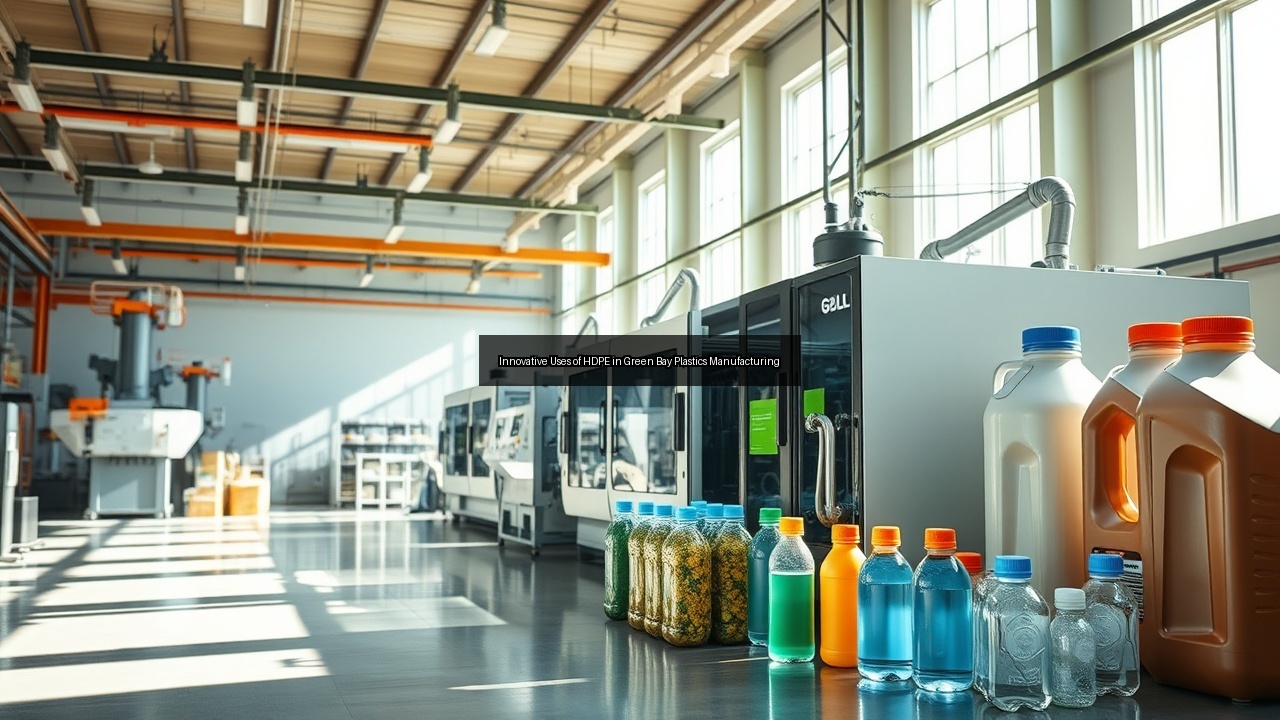
The Versatility of HDPE in Green Bay Plastics Manufacturing
Understanding HDPE and Its Properties
HDPE stands out as a durable thermoplastic that Green Bay plastics manufacturers rely on daily. Its high strength-to-density ratio allows companies to produce tough yet lightweight components that resist impact and chemicals. Local processors shape this material through extrusion and injection methods to create everything from industrial liners to household goods. Manufacturers in green bay appreciate how HDPE maintains flexibility at low temperatures while holding up under ultraviolet exposure. This combination of traits makes the resin ideal for products that need long service life without frequent replacement. Green Bay plastics operations also value HDPE for its moisture barrier qualities, which protect contents during storage and transport. The material processes cleanly at moderate temperatures, reducing energy demands on the production floor. When companies select HDPE, they gain consistent performance that supports both standard and specialized applications across multiple industries.
Applications of HDPE in Packaging Solutions
Packaging demands drive much of the innovation seen in Green Bay plastics manufacturing. HDPE forms rigid containers that safeguard food, chemicals, and consumer goods during shipping. Local fabricators create custom shapes that fit retail shelves and warehouse pallets efficiently. The resin accepts vibrant colors and clear labeling, helping brands communicate product information at the point of sale. Green bay manufacturers combine HDPE with additives that improve stackability and prevent leaks in stacked loads. This versatility extends to large drums and intermediate bulk containers used by industrial clients. Packaging teams appreciate how HDPE resists cracking when dropped or exposed to temperature swings common in Midwest logistics routes. Companies that invest in these solutions reduce waste from damaged shipments while presenting a professional appearance to customers.
Role of HDPE in Sustainable Practices
Sustainability goals push Green Bay plastics manufacturers toward HDPE because the material lends itself to repeated recycling cycles. Plants recover scrap during production and regrind it into new stock without major loss of mechanical properties. Local corporations track resin usage to minimize offcuts and improve material yield on every shift. HDPE production lines run with closed-loop cooling systems that cut water consumption compared with older equipment. Green bay facilities also explore bio-based additives that maintain performance while lowering dependence on virgin feedstock. These steps help companies meet corporate targets for reduced landfill contributions. Manufacturers share data on recycled content percentages so downstream brands can claim verified sustainability metrics on their finished goods. The focus remains on practical improvements that deliver measurable results rather than marketing claims alone.
Innovative Packaging Solutions Using HDPE
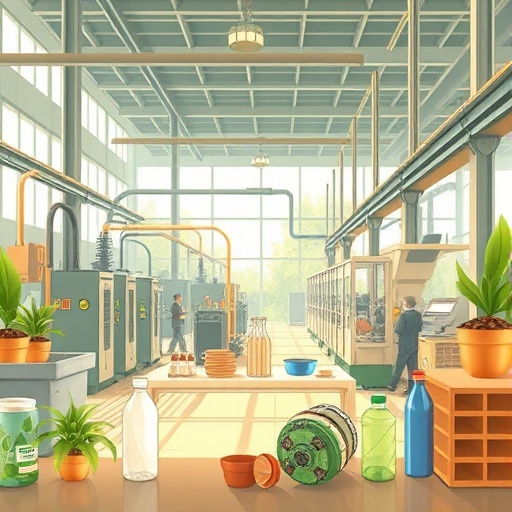
Blow Molded HDPE Bottles for Motor Oil
Blow molded HDPE bottles dominate motor oil packaging because they combine strength with precise neck finishes that accept child-resistant caps. Green Bay plastics manufacturers run high-speed lines that produce uniform wall thicknesses while keeping material usage low. The process starts with extruded parisons that expand inside cooled molds to form the final shape. Local technicians monitor parison sag and adjust air pressure to prevent thin spots that could lead to leaks. These bottles withstand the weight of stacked cases on retail floors and resist punctures during handling. Motor oil brands choose HDPE because it blocks oxygen and light that degrade additives over time. Green bay operations also print batch codes directly onto the surface, eliminating separate labels that add cost and waste. The finished containers meet strict DOT requirements for hazardous liquids while remaining lightweight enough to lower shipping expenses.
Eco-friendly Packaging Initiatives by Green Bay Corporations
Green Bay corporations lead eco-friendly packaging initiatives that center on HDPE redesign. Teams replace multi-layer laminates with single-resin structures that simplify sorting at recycling facilities. Manufacturers test thinner wall sections that still pass drop and compression tests, cutting resin consumption per unit. Local plants install optical sorting equipment that identifies HDPE grades quickly on high-volume lines. Corporations partner with retailers to install collection bins for empty containers, increasing return rates. Green bay facilities publish annual reports that detail progress on recycled content targets and energy reductions. These programs demonstrate how targeted engineering changes deliver both environmental and cost benefits without compromising product protection.
Case Studies: Successful Brands Using HDPE
Successful brands illustrate the practical advantages of HDPE packaging produced in Green Bay plastics plants. One national lubricant company switched to locally blow-molded quart bottles and reduced container weight by 12 percent while improving stack height. A regional water distributor adopted HDPE drums that withstand outdoor storage without UV degradation. Another consumer goods company collaborated with a green bay manufacturer to create refill pouches that use 70 percent less material than rigid alternatives. These brands report fewer customer complaints about damaged goods and stronger retailer acceptance of their sustainable packaging claims. The case studies show that consistent material quality and local production support both performance and marketing objectives.
Sustainability and Recycling: The Future of HDPE
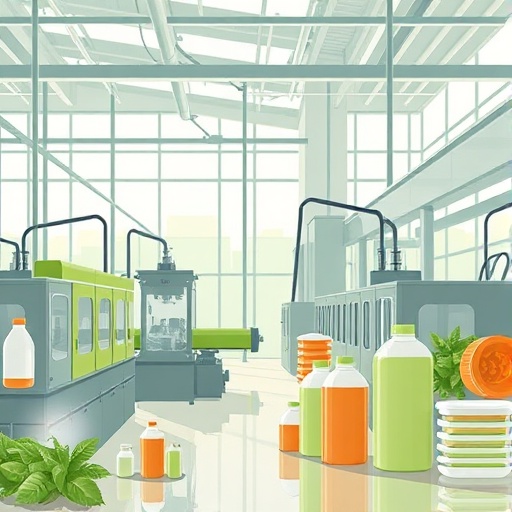
Plastic Recycling Initiatives in Green Bay
Plastic recycling initiatives in Green Bay expand access to post-consumer HDPE streams. Municipal programs collect milk jugs and detergent bottles that local processors clean and pelletize for new manufacturing runs. Green Bay plastics companies invest in washing lines that remove labels and residues before extrusion. These efforts increase the supply of food-grade recycled resin available to regional brands. Facilities also accept production scrap from nearby manufacturers, closing material loops within the community. Green bay recycling centers track tonnage diverted from landfills and publish results that encourage further public participation. The combined infrastructure supports higher recycled content levels in new bottles and containers without sacrificing clarity or strength.
Energy Efficiency in HDPE Production
Energy efficiency improvements define modern HDPE production at Green Bay plastics sites. New extruders incorporate servo-driven motors that adjust speed to actual demand rather than running at constant full load. Plants recover heat from cooling water and redirect it to pre-heat incoming resin, lowering overall gas consumption. Green bay operators install LED lighting and variable-frequency drives on pumps and fans throughout the floor. These upgrades reduce electricity use per pound of finished product by double-digit percentages. Manufacturers monitor real-time energy data to identify further opportunities during peak and off-peak periods. The result is lower operating costs that manufacturers pass along as competitive pricing for customers.
Reducing Carbon Footprint Through HDPE Innovations
Reducing carbon footprint remains a priority for Green Bay plastics manufacturers working with HDPE. Lightweighting programs cut resin volume while maintaining structural integrity, lowering transportation emissions. Companies source resin from suppliers that use renewable electricity in polymerization. Green bay facilities calculate cradle-to-gate emissions and share results with brand partners seeking verified data. Innovations such as foamed HDPE cores reduce material weight further without affecting performance. These steps collectively shrink the carbon intensity of each packaged unit reaching store shelves. Manufacturers continue testing next-generation additives that enhance recyclability and extend product life cycles.
The Impact of Local Manufacturers in the Green Bay Plastics Industry
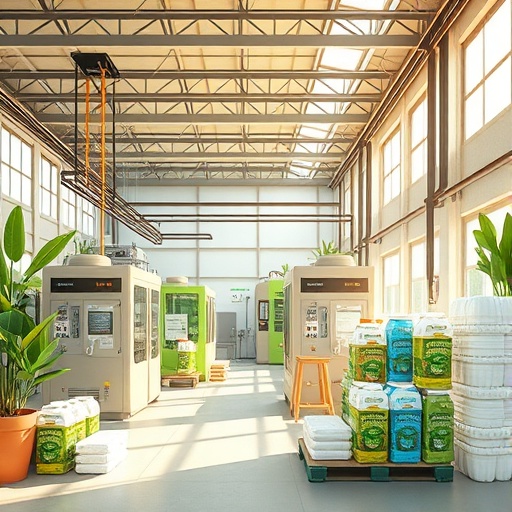
Key Players in Green Bay Plastics Manufacturing
Key players in Green Bay plastics manufacturing operate modern facilities that serve national accounts. Several family-owned companies specialize in custom HDPE profiles and containers while larger corporations focus on high-volume blow molding. These manufacturers maintain ISO certifications that assure consistent quality for regulated applications. Green bay plants employ skilled technicians who troubleshoot equipment and optimize cycle times daily. Local trade associations host training sessions that keep the workforce current on emerging resins and processing techniques. The concentration of expertise supports rapid prototyping for new customer projects.
Made in the USA: Supporting Local Economies
Made in the USA labeling strengthens demand for products from Green Bay plastics manufacturers. Consumers and procurement teams prefer domestic sourcing that shortens supply chains and supports regional jobs. Local production reduces lead times compared with overseas alternatives and allows faster response to design changes. Green bay companies contribute tax revenue and participate in community development programs. The economic multiplier effect extends to suppliers of colorants, additives, and maintenance services within the area. Brands that specify made in the USA HDPE packaging often highlight this choice in their own marketing materials.
Collaborations Between Companies for Sustainable Development
Collaborations between companies accelerate sustainable development across Green Bay plastics operations. Manufacturers share best practices on energy monitoring and scrap reduction during industry roundtables. Joint ventures test advanced sorting technology that improves plastic recycling yields for the entire region. Green bay corporations work with universities on material science projects that explore next-generation HDPE formulations. These partnerships produce shared infrastructure such as centralized grinding facilities that smaller firms access on a fee basis. The cooperative approach spreads costs and risks while delivering measurable progress on sustainability targets for all participants.
See Also
- The Journey of a Plastic Bottle Made in Green Bay
- Recycling Revolution The Role of Green Bay Plastics in Waste Reduction
- Green Bay Plastics A Sustainable Solution for Motor Oil Packaging
- The Future of Energy Efficient Plastics from Green Bay
- The Impact of Green Bay Plastics on Water Conservation Practices